
Preparing for the Impact of a Winter Storm
How Extreme Weather Underscores the Need for Energy Resilience
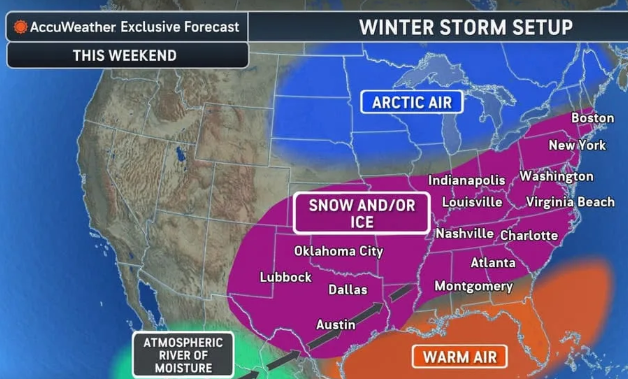
A major winter storm is forecast to bring heavy snow, sleet, freezing rain, and dangerously low temperatures from Texas to Massachusetts through the weekend—affecting more than 180 million Americans. Meteorologists warn that this could be one of the most significant storms of the season, with widespread impacts expected across major metro areas including Dallas, Nashville, Atlanta, Washington D.C., Philadelphia, New York City, and Boston.
As the storm system moves across the country, the combination of ice, wind, and extreme cold could lead to power outages, travel shutdowns, and school closures, while prolonged frigid temperatures may strain already overburdened energy systems. “Potentially hundreds of thousands of people may go without electricity and heat for days,” noted AccuWeather Chief Meteorologist Jonathan Porter.
For municipalities, businesses, and institutions, events like this highlight the growing importance of energy preparedness and resilience.
Energy Reliability in Extreme Conditions
Severe weather remains one of the most significant threats to energy reliability. When storms disrupt power lines and natural gas supply systems, organizations must rely on advance planning and diversified energy strategies to maintain critical operations.
At Titan Energy, we work with clients across sectors to mitigate these risks through:
-
Data-driven procurement strategies that ensure cost stability and reliable supply, even during volatile market conditions.
-
Energy efficiency and management programs that reduce overall consumption, making facilities less vulnerable to disruptions.
-
Onsite generation and renewable projects, such as solar and battery storage, that can provide backup power and grid flexibility during outages.
Planning Ahead for Energy Resilience
For local governments, schools, and businesses, the days following a major storm are often consumed with recovery efforts. But the most effective time to plan for the next event is before it happens.
A proactive energy strategy can include:
-
Evaluating current utility contracts to ensure flexibility during emergencies.
-
Conducting energy audits to identify efficiency improvements and critical system dependencies.
-
Implementing distributed energy resources (DERs) to enhance reliability and reduce grid dependence.
-
Using energy data management tools to track usage patterns, detect inefficiencies, and plan for contingencies.
The ability to manage and monitor energy performance in real time not only saves money, it also helps organizations respond more effectively when severe weather strikes.
Supporting Communities Through Reliable Energy Management
As this storm system unfolds, Titan Energy remains committed to supporting our partners and communities with the information, strategies, and tools they need to manage energy effectively. Our focus is on helping clientscontrol costs, enhance efficiency, and strengthen energy resilience—before, during, and after major weather events.
Extreme weather will always be a part of the energy landscape, but with the right planning and partnerships, its impact doesn’t have to define your operations.
Stay safe, stay warm, and if your organization would like to review its energy strategy or explore opportunities for greater resilience, the Titan Energy team is here to help.
👉 Contact Titan Energy today to create a tailored energy strategy that keeps your business prepared for any weather challenge. Let’s ensure that no matter how low the temperature drops, your operations—and your energy budget—stay on solid ground.